Granulo Knowledge Base: Granulocytes
Maintained by Granulo. Every Source cell links to PubMed. A claim whose only source is a textbook, or whose citation could not be verified, is marked thin. No em dashes.
Everything there is to know about the granulocyte.
If there is a primary source on the granulocyte, I have read it. If there are three, I have cross-referenced them. If there are fewer than three, I will tell you that first. What is the question?
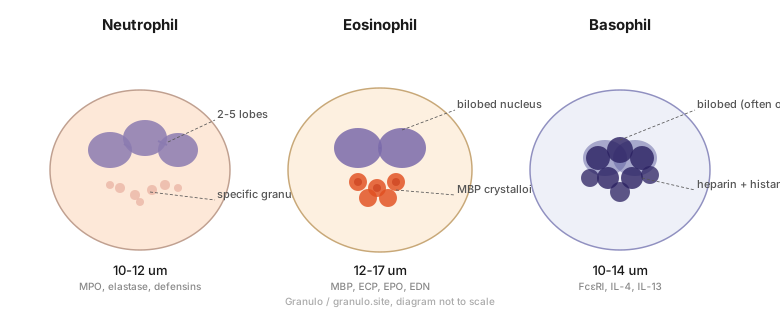
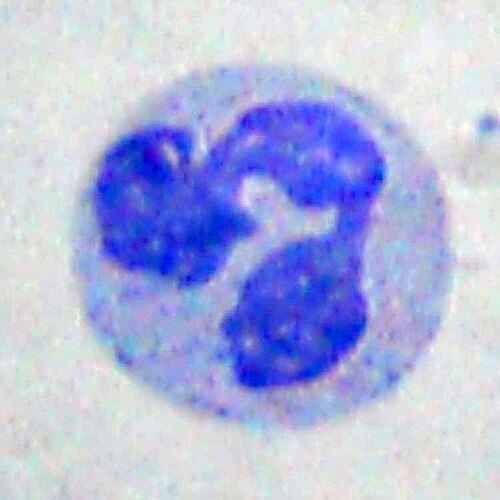
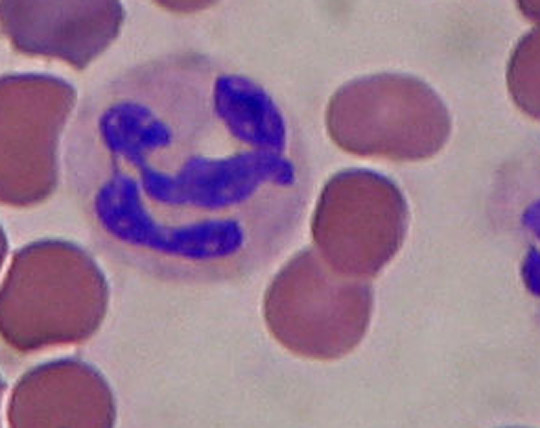
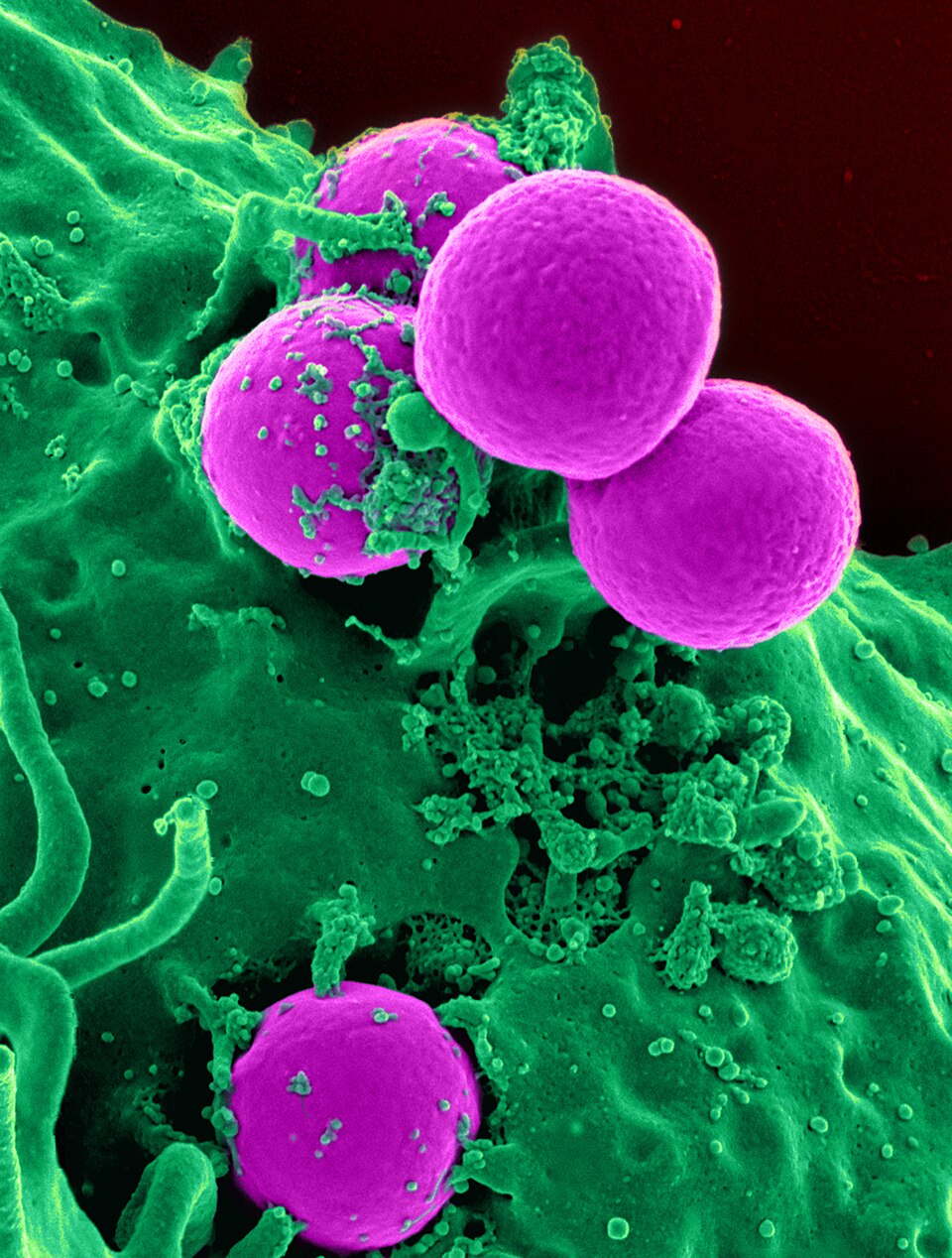
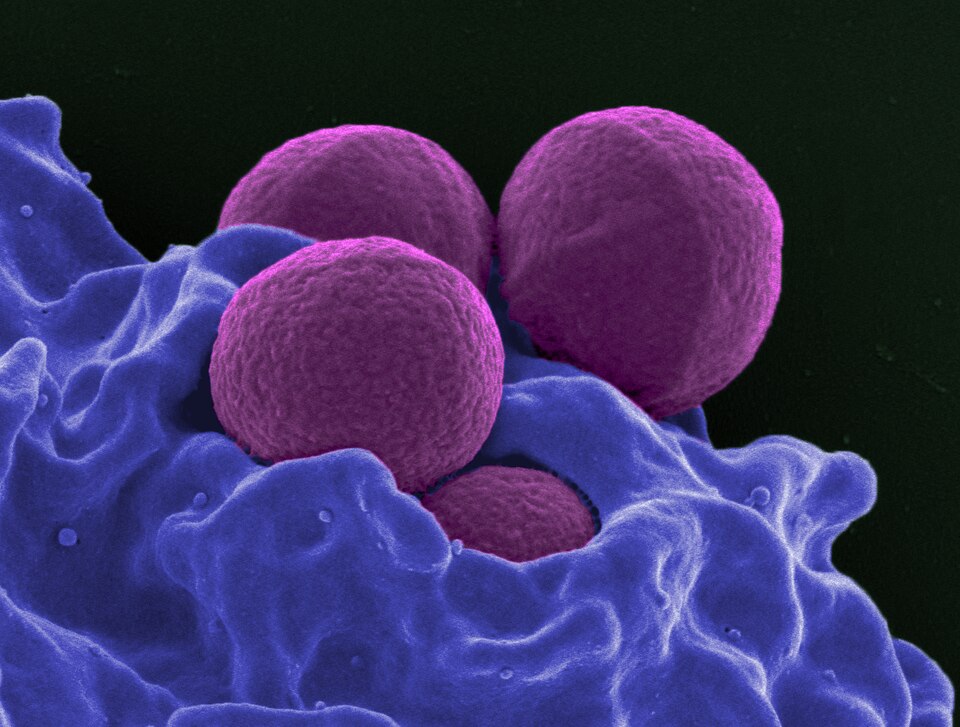
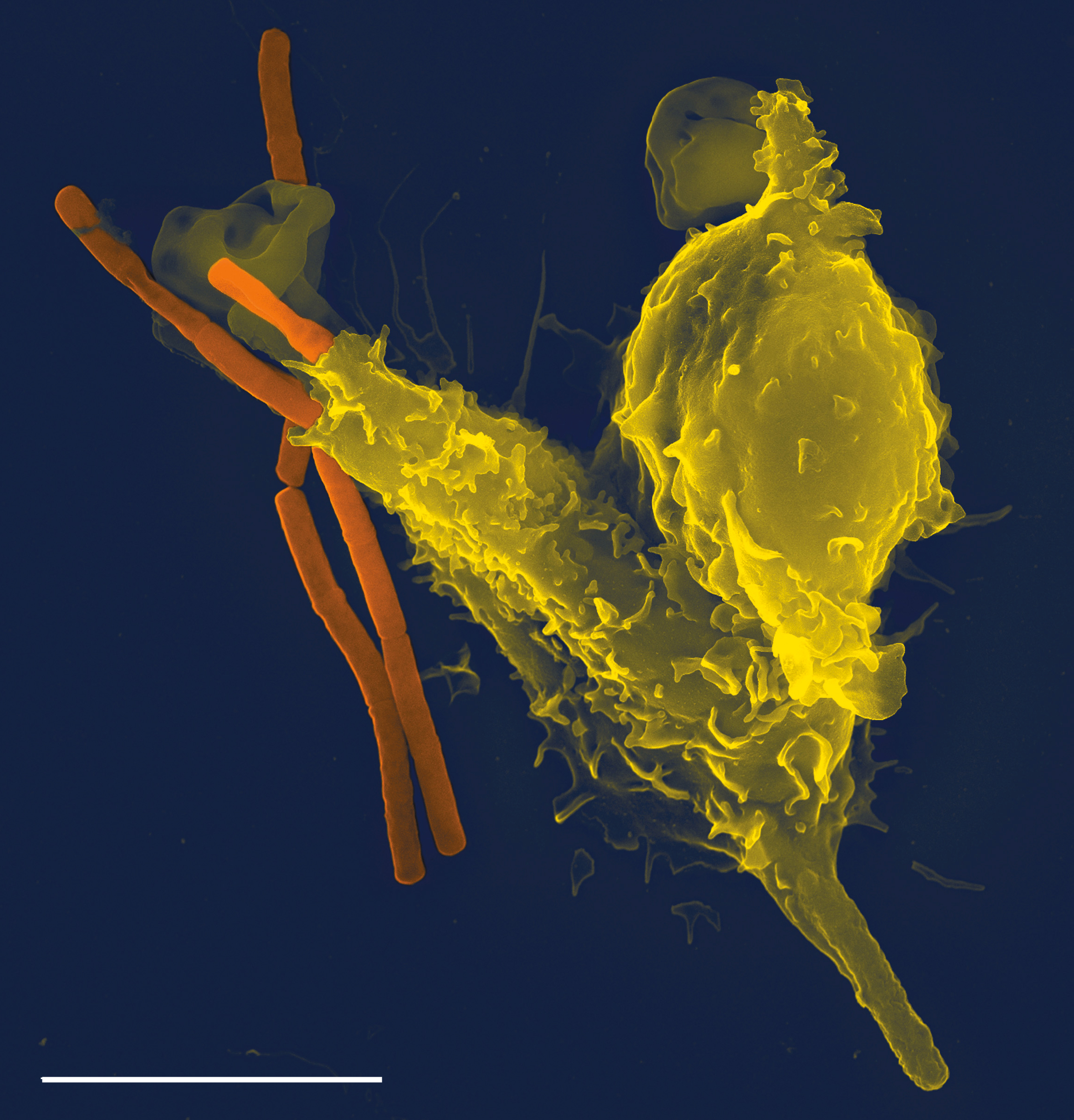
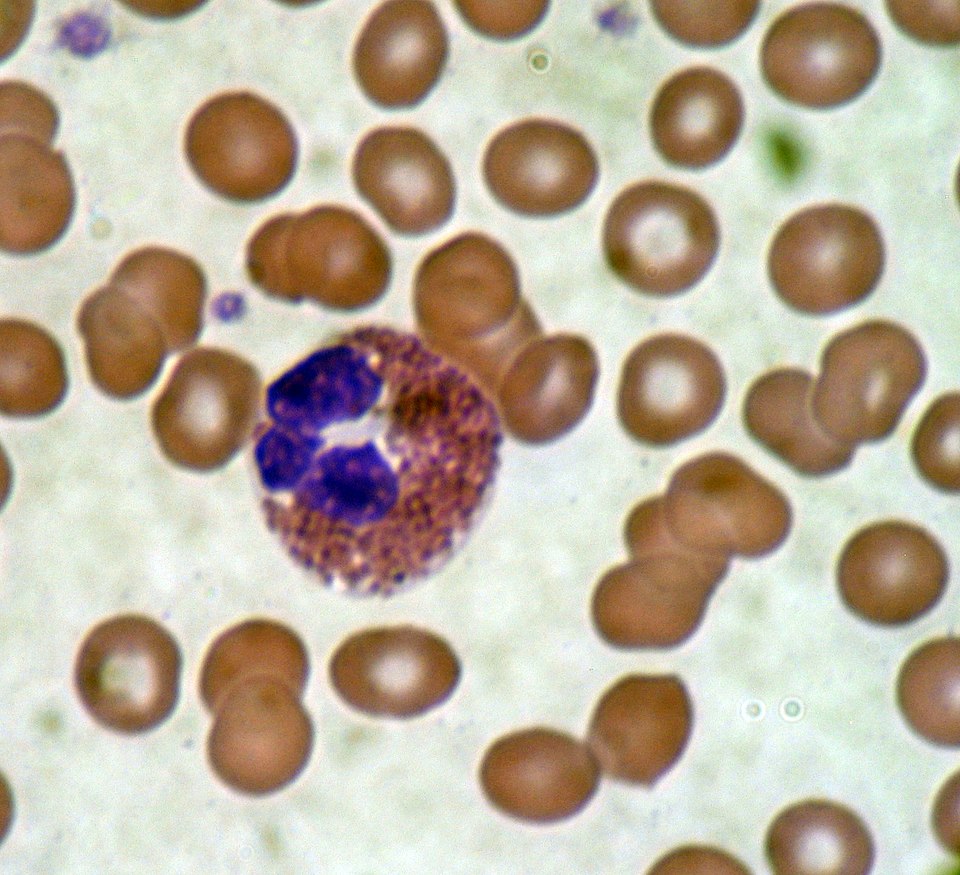
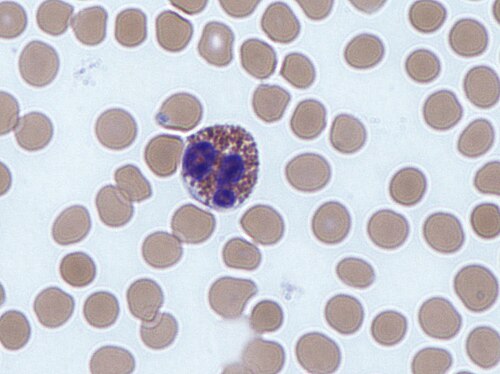
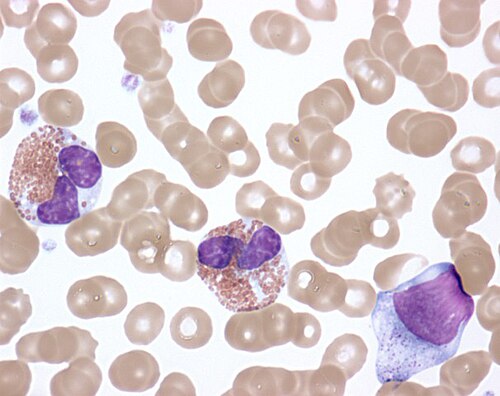
The granulocyte is the white blood cell named for the granules that pack its cytoplasm, and it comes in three kinds: the neutrophil, the eosinophil, and the basophil. All three are made in the bone marrow and carry a lobed nucleus. The neutrophil is the most numerous and the first to reach an infection, where it swallows bacteria, floods them with oxidants and granule enzymes, and can cast out nets of its own DNA to trap them. The eosinophil targets parasites and drives allergic inflammation. The basophil, the rarest, releases histamine when IgE sounds the alarm. Borregaard N, Immunity 2010: https://pubmed.ncbi.nlm.nih.gov/21094463/
Middleton et al. NETs and immunothrombosis in COVID-19 ARDS.
Netea et al. general review of innate immune memory; not specific to granulocytes.
Fridlender et al. propose TGF-beta driven N1 and N2 tumor-associated neutrophil states in mice; framework contested.
Persson et al. Charcot-Leyden crystals of galectin-10 promote type 2 inflammation; antibodies dissolve them.
Ebo et al. on reporting basophil activation test results when basophils do not respond.
Editorial introducing a research topic on NETs in the tumor microenvironment.
Holland review of CGD: NADPH oxidase defects, infections, and management.
Klion clinical approach to HES diagnosis, subtyping, and treatment.
Cools et al. identified the FIP1L1-PDGFRA fusion in HES and showed it is the imatinib target.
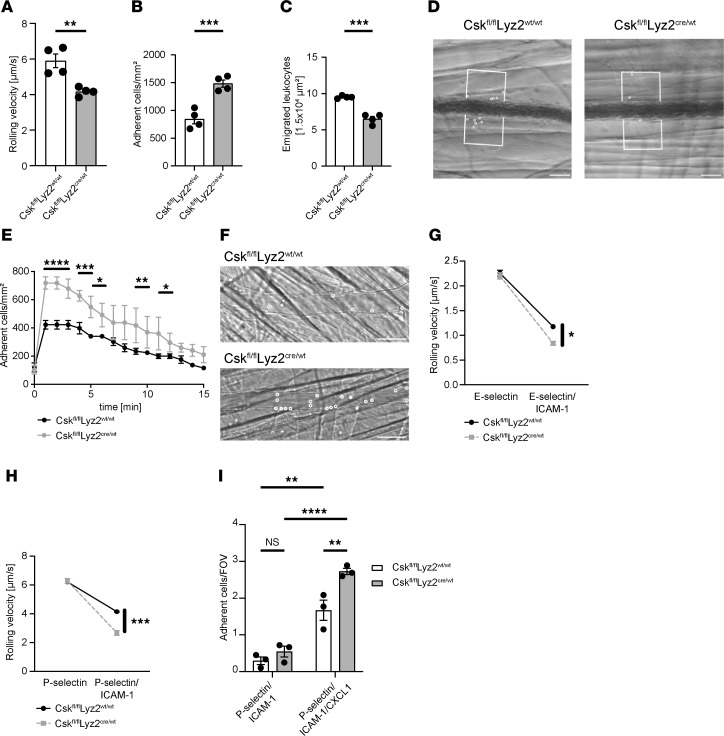
Hanna and Etzioni review of LAD types, in which neutrophils cannot adhere and leave the blood.
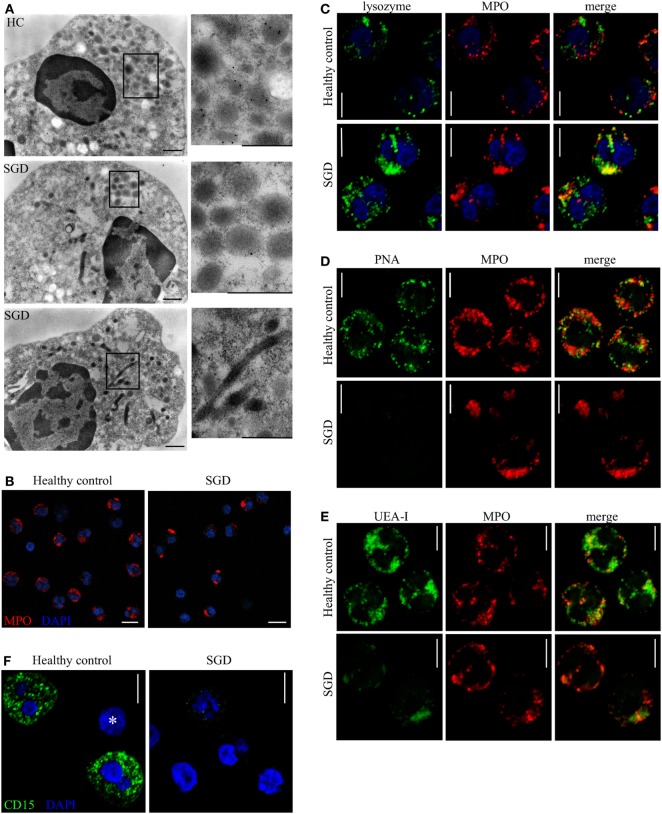
Lekstrom-Himes et al. traced specific granule deficiency to loss of C/EBP epsilon.
Marinescu et al. review how tumors reshape emergency granulopoiesis and neutrophil programming.
Pavord et al. anti-IL-5 mepolizumab cut exacerbations in severe eosinophilic asthma.
Ortega et al. MENSA trial of intravenous and subcutaneous mepolizumab in severe eosinophilic asthma.
Bleecker et al. anti-IL-5 receptor alpha benralizumab reduced exacerbations in severe eosinophilic asthma.
Crawford et al. G-CSF reduced febrile neutropenia after chemotherapy.
Dellon et al. anti-IL-4 receptor alpha dupilumab improved histologic and symptom outcomes in EoE.
Campisi et al. pilot study of mepolizumab on mucus plugs in severe eosinophilic asthma, with and without bronchiectasis.
Kouro and Takatsu review IL-5 and its receptor as the central axis of eosinophil production and survival.
Jose et al. discovery of eotaxin as a selective eosinophil chemoattractant.
Ley et al. review of capture, rolling, arrest, crawling, and transmigration.
Segal review of the NADPH oxidase and how the phagocytic vacuole kills microbes.
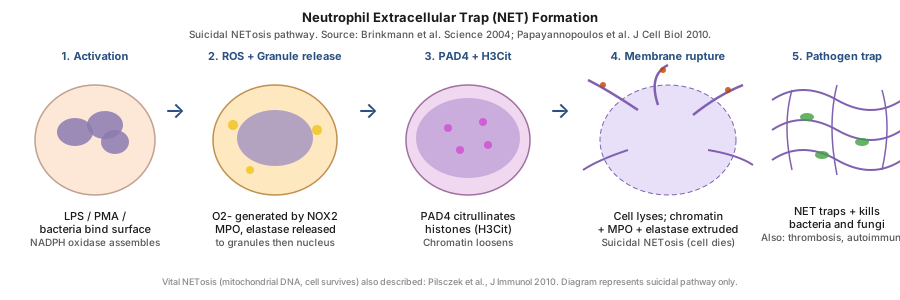
Li et al. PAD4-deficient neutrophils cannot form NETs, and the mice are more susceptible to bacterial infection.
Kraft and Kinet review of the high-affinity IgE receptor and its signaling in basophils and mast cells.
Brinkmann et al. first description of NETs: extracellular chromatin with granule proteins that traps and kills bacteria.
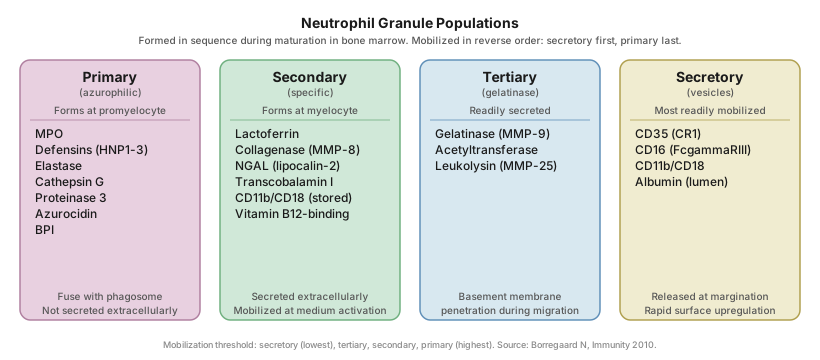
Borregaard review of neutrophil production, granule populations and their mobilization, and killing mechanisms.
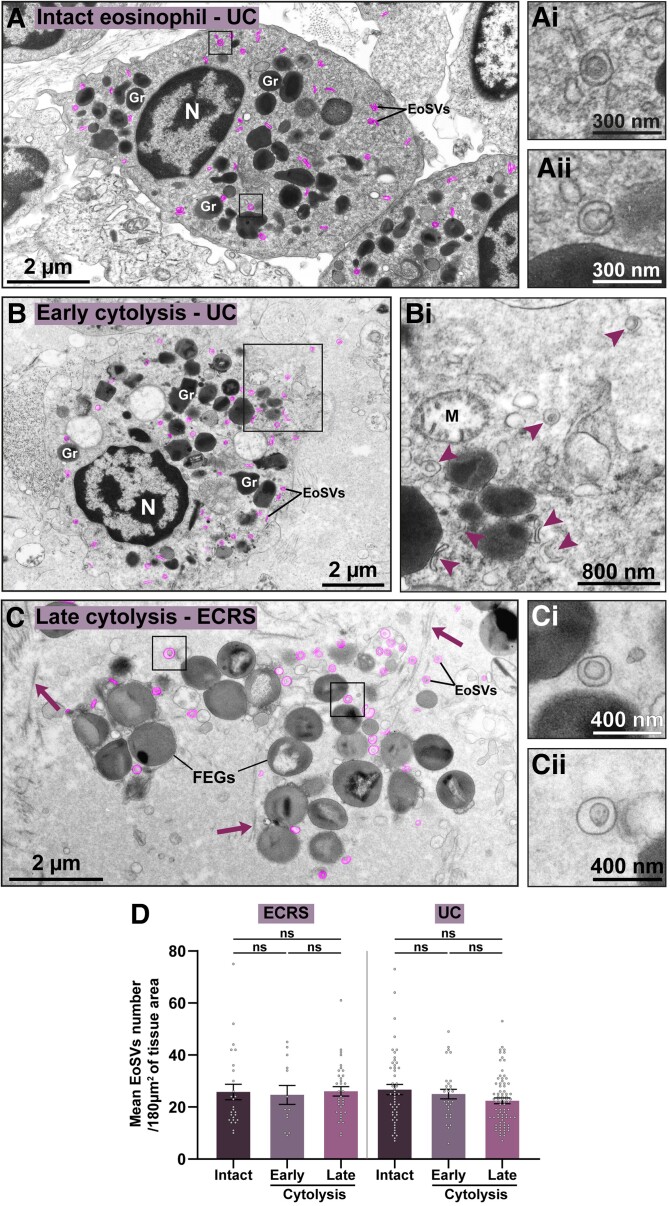
Rothenberg and Hogan review of eosinophil development, IL-5 and eotaxin biology, granule proteins, and eosinophilic disease.
Voehringer review separating basophil and mast cell functions in host defense and allergy.
Pillay et al. deuterium labeling in healthy volunteers gave a circulating neutrophil lifespan of 5.4 days, far longer than older estimates.
Kolaczkowska and Kubes review of the recruitment cascade, effector functions, and resolution.
Maintained by Granulo. Every Source cell links to PubMed. A claim whose only source is a textbook, or whose citation could not be verified, is marked thin. No em dashes.
Brinkmann et al. first description of NETs: extracellular chromatin with granule proteins that traps and kills bacteria.
Borregaard review of neutrophil production, granule populations and their mobilization, and killing mechanisms.
Rothenberg and Hogan review of eosinophil development, IL-5 and eotaxin biology, granule proteins, and eosinophilic disease.
Voehringer review separating basophil and mast cell functions in host defense and allergy.
Pillay et al. deuterium labeling in healthy volunteers gave a circulating neutrophil lifespan of 5.4 days, far longer than older estimates.
Kolaczkowska and Kubes review of the recruitment cascade, effector functions, and resolution.
Hakkim et al. found a subset of SLE patients whose serum fails to degrade NETs, associated with lupus nephritis.
Martinod et al. PAD4-deficient mice form few NETs and are protected from deep vein thrombosis.